


From July to September, our PhD student Keidai Wakamatsu spent approximately three months at Ulm University in Germany as part of the ASPIRE project “DIAMONDQTECH,” conducting research in Prof. Fedor Jelezko’s group.
During his stay, he took part in collaborative experiments on diamond-based quantum technologies, exchanged ideas with researchers and students from different backgrounds, and visited other laboratories involved in the project.
We asked him about his research experiences, what he found interesting about the different labs, and his impressions of living and studying in Germany.
Q1: Could you briefly introduce yourself and your research background?
My name is Keidai Wakamatsu, and I am a second-year PhD student in Prof. Hideo Kosaka’s group at Yokohama National University. My research focuses on experimental quantum physics, particularly quantum networks using color centers in diamond.Before starting my PhD, I worked in industry for about two years, where I was involved in research and development related to quantum technologies. I later returned to Prof. Kosaka’s group to pursue my PhD and continue my research in quantum information science.
Q2: Could you tell us a little about the research or project you worked on during your stay?
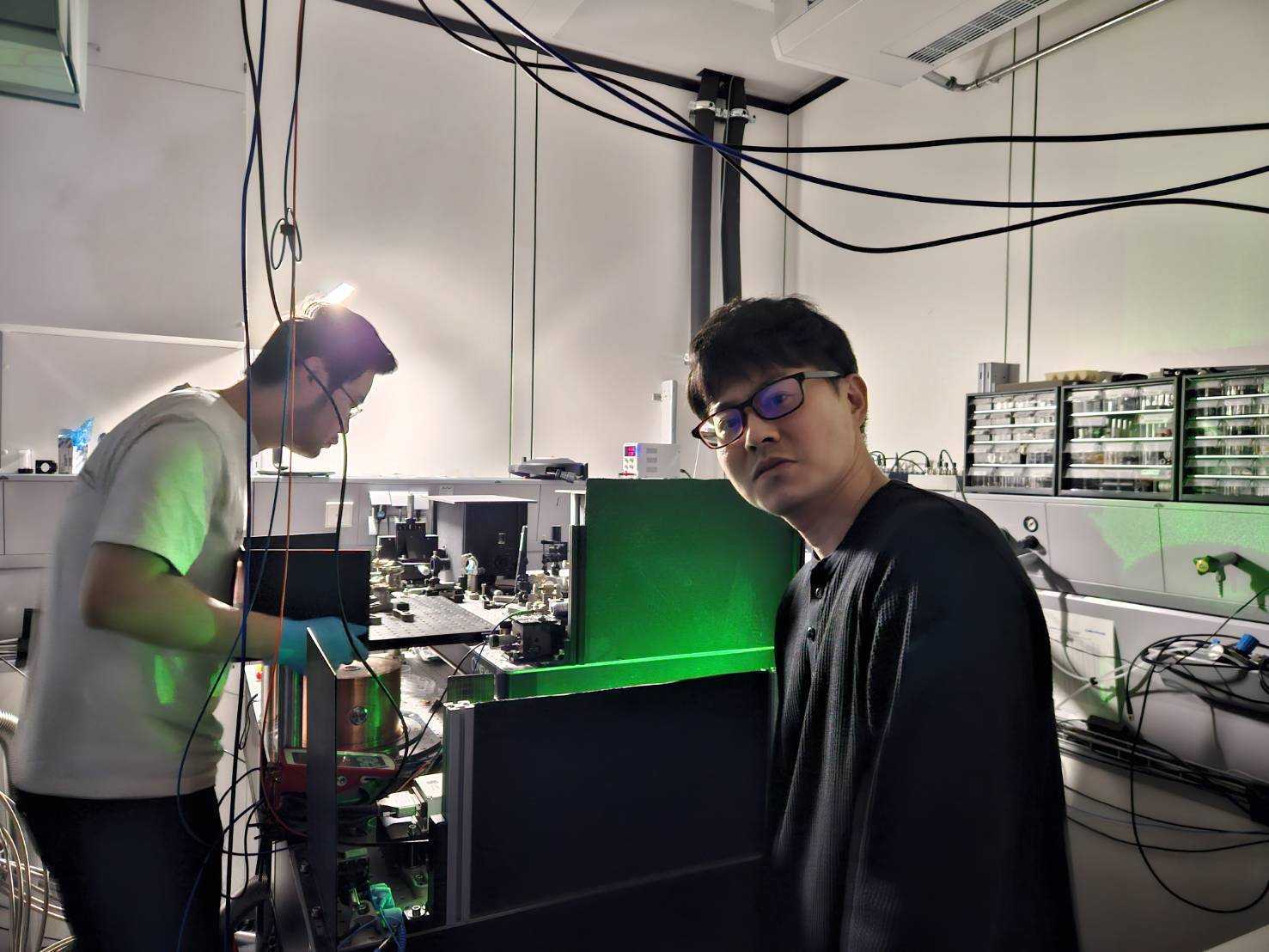
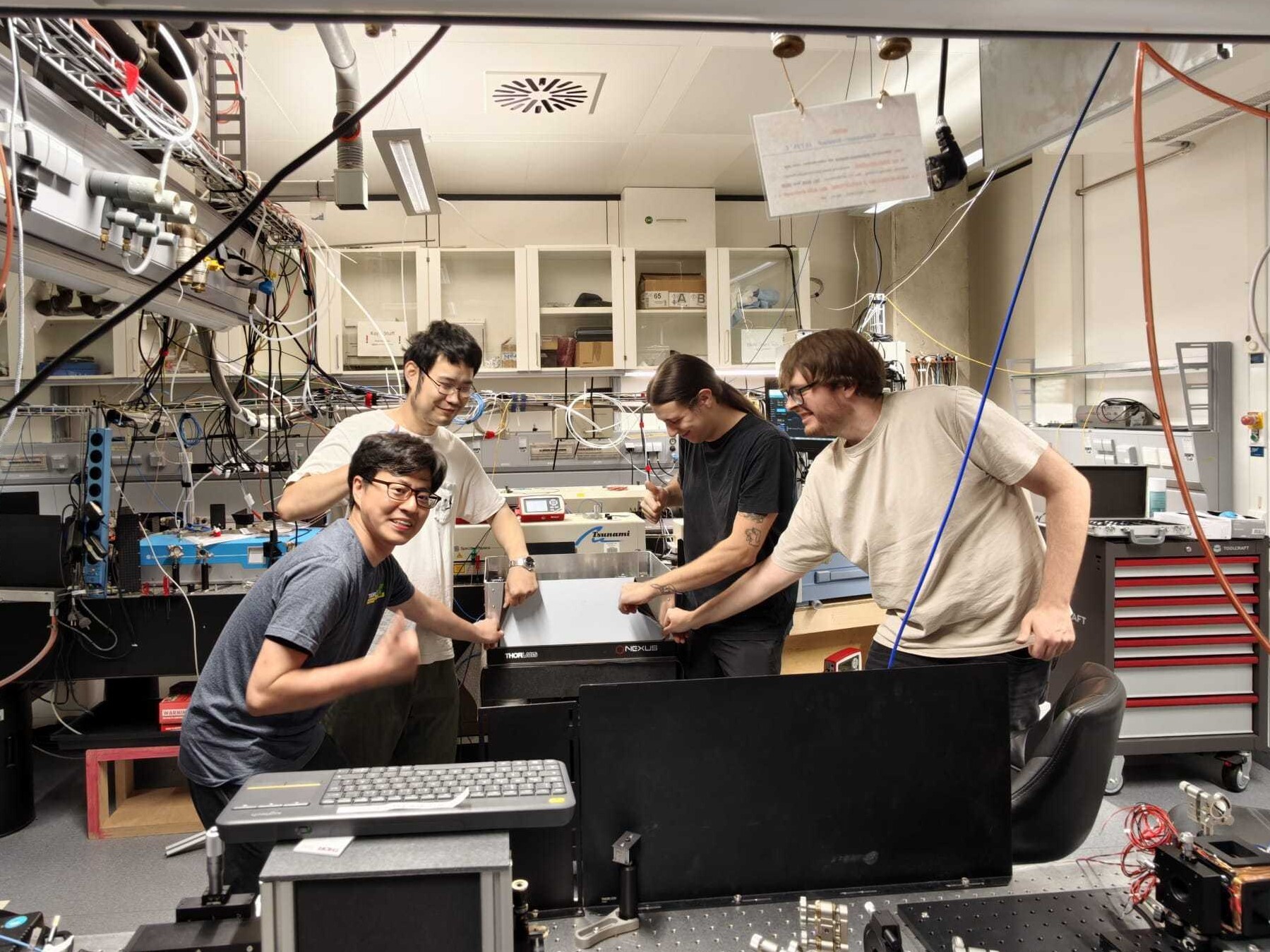
During my stay in Germany, I was involved in a quantum networking project using germanium-vacancy (GeV) centers in diamond. In particular, I participated in experiments related to quantum frequency conversion, which is an important technique for connecting quantum systems operating at different optical wavelengths.I also had opportunities to learn about spin control experiments at cryogenic temperatures and the theory of dynamical decoupling. These experiences allowed me to explore research topics and experimental techniques that were different from those I usually work on in Japan.
Q3: Was there anything that surprised you or differed from how research is done in Germany?
One thing that particularly impressed me was the difference in the role and working environment of PhD students. In the research environments I experienced in Germany, PhD students were treated more like professional researchers and were employed by the university. This seemed to provide them with a stable environment in which they could focus on their research.I also felt that students tended to begin taking greater responsibility for their own research during their PhD. This was somewhat different from Japan, where students often become deeply involved in laboratory research from the master’s level. Seeing these differences gave me an opportunity to think about both the strengths and challenges of the research environments in Germany and Japan.
Q4: You had the opportunity to spend time at several labs involved in the ASPIRE project, including a longer research stay as well as shorter visits. How did you find your experiences at the different labs? Was there anything you particularly enjoyed or found interesting about each lab or research environment?
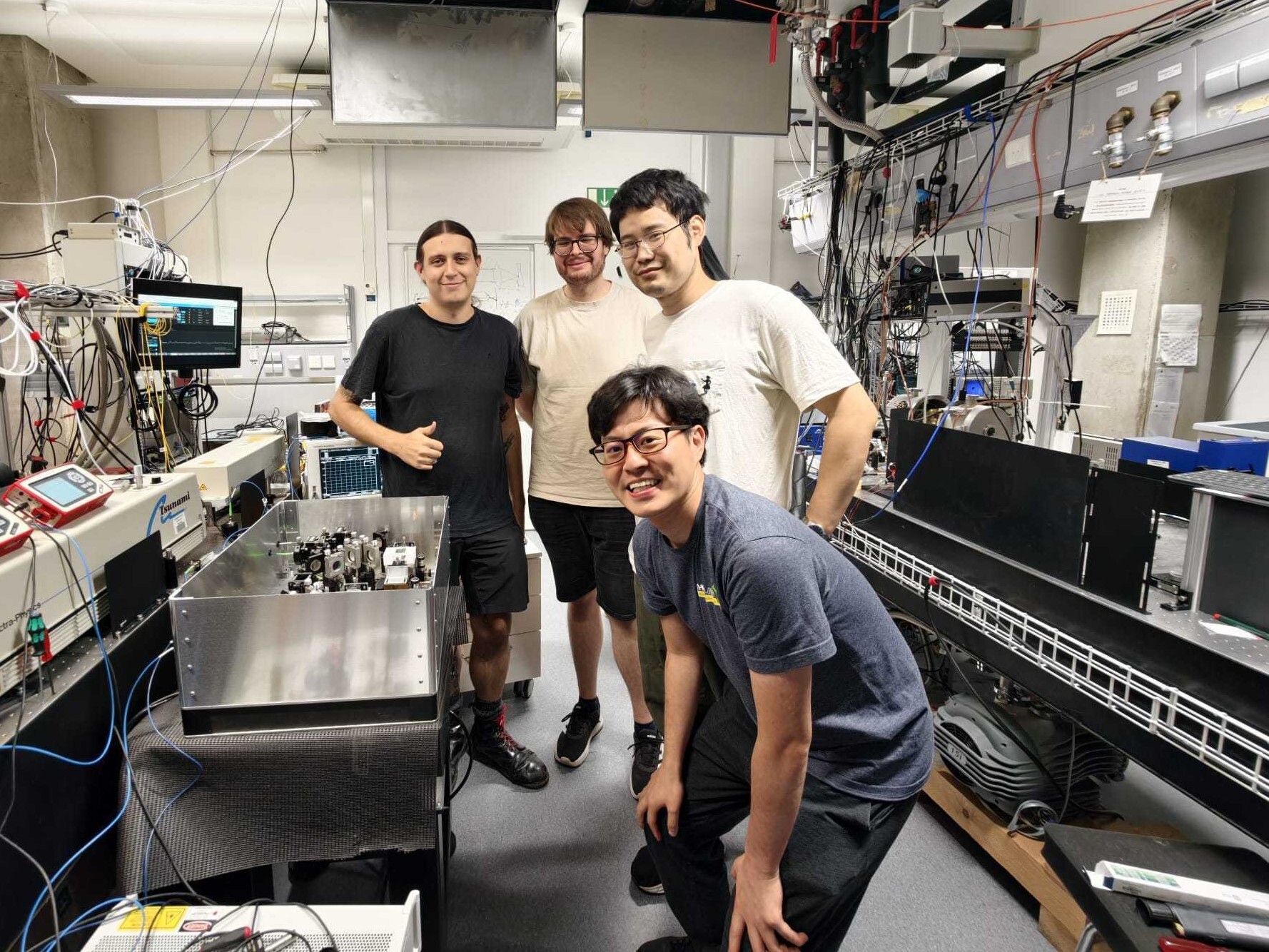
I spent about three months in Prof. Fedor Jelezko’s group at Ulm University, and during my stay in Germany I also had opportunities to visit Prof. Jörg Wrachtrup’s group at the University of Stuttgart and Prof. Christoph Becher’s group at Saarland University.One thing I particularly enjoyed at Ulm was the international atmosphere of the group. Many members came from outside Germany, so English was the main language for research discussions and everyday communication in the lab. I also found that face-to-face communication was highly valued. People often talked with each other in the corridors or went out to the balcony for informal conversations during breaks.Visiting the other research groups was also a valuable experience. I was able to see different experimental setups, learn about their research activities, and discuss quantum technologies with students and researchers outside my host group. These interactions made my stay much broader than simply working on one research project in one laboratory.
Q5: What was your personal highlight during your German stay?
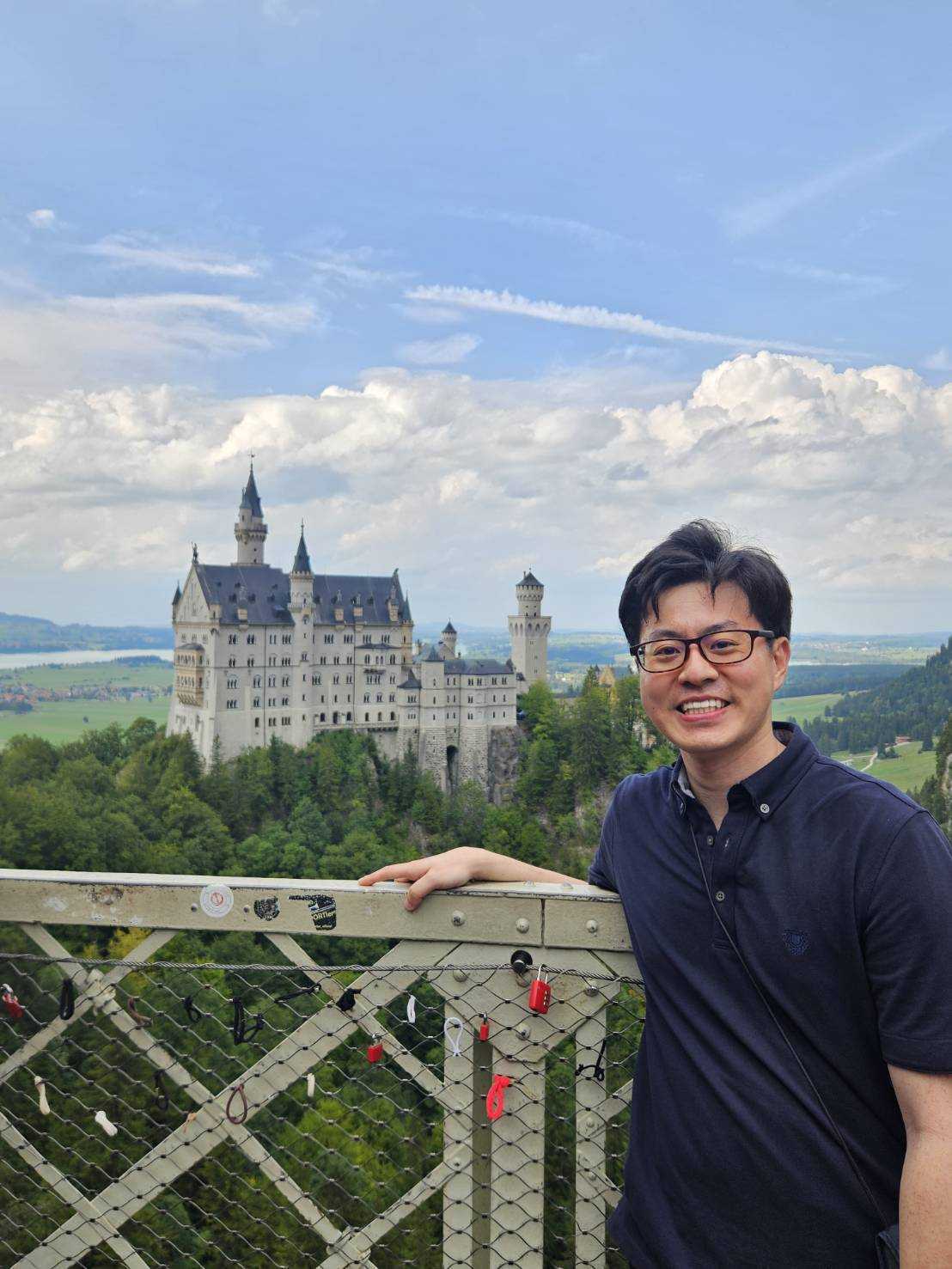
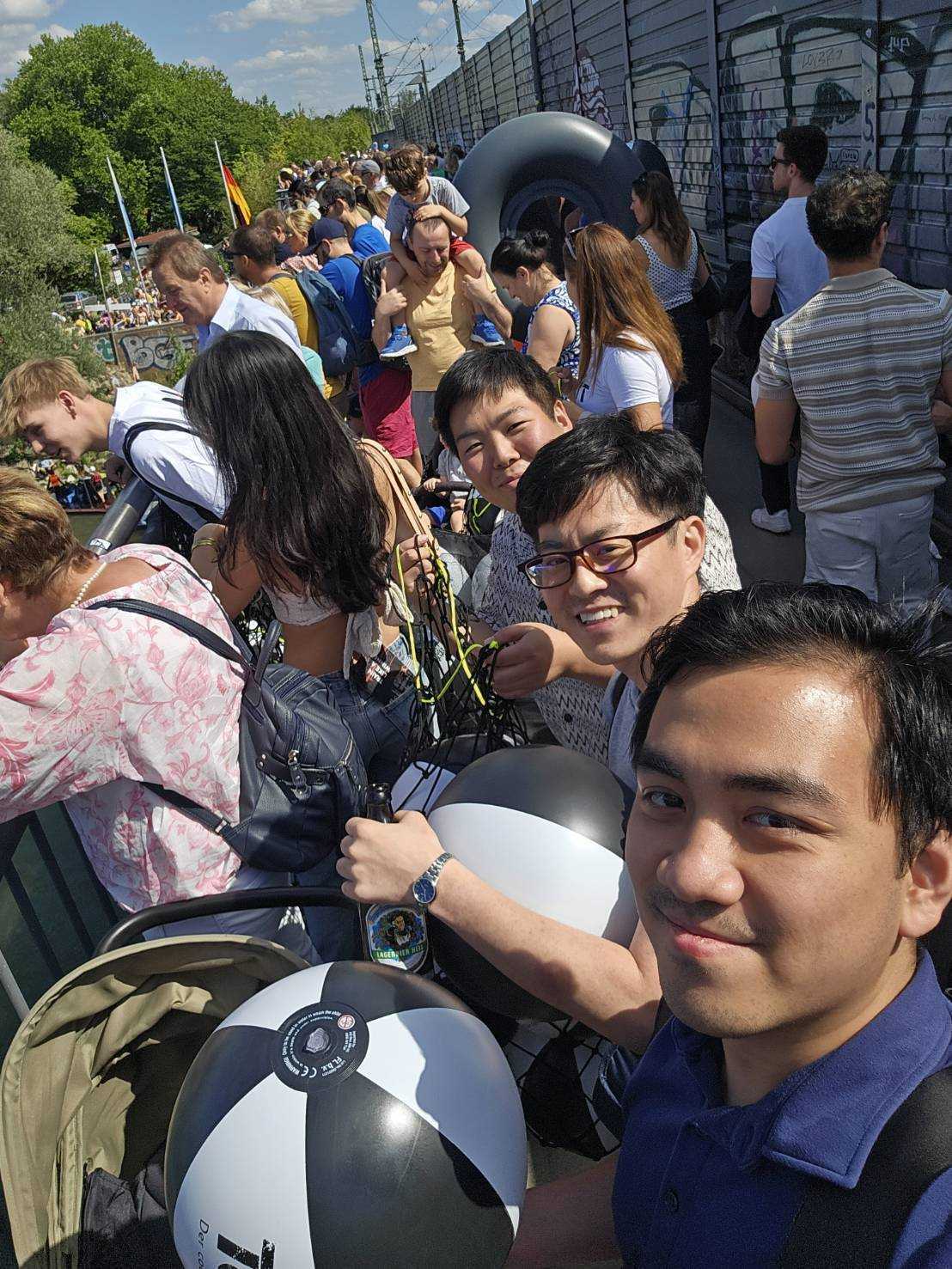
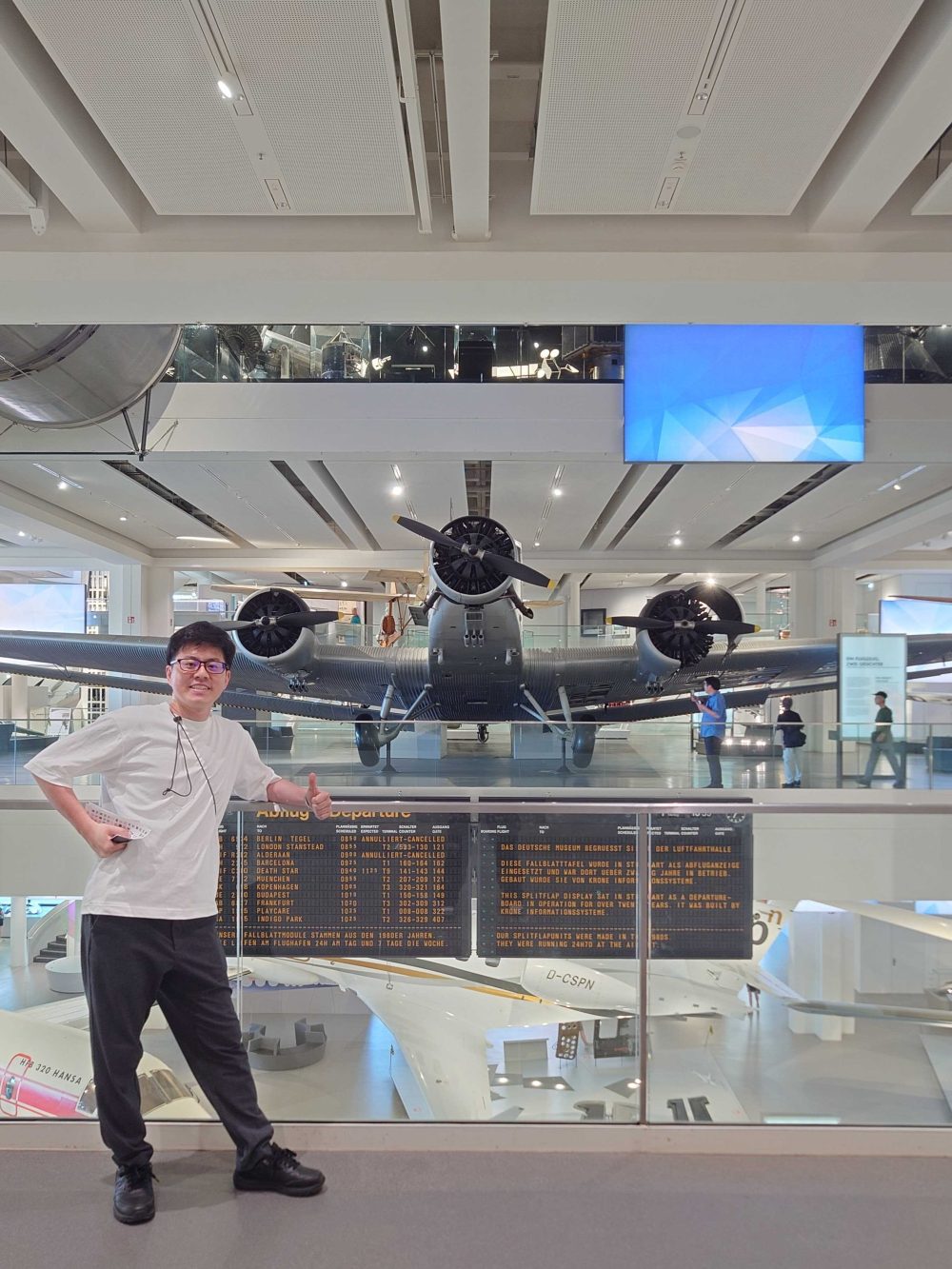
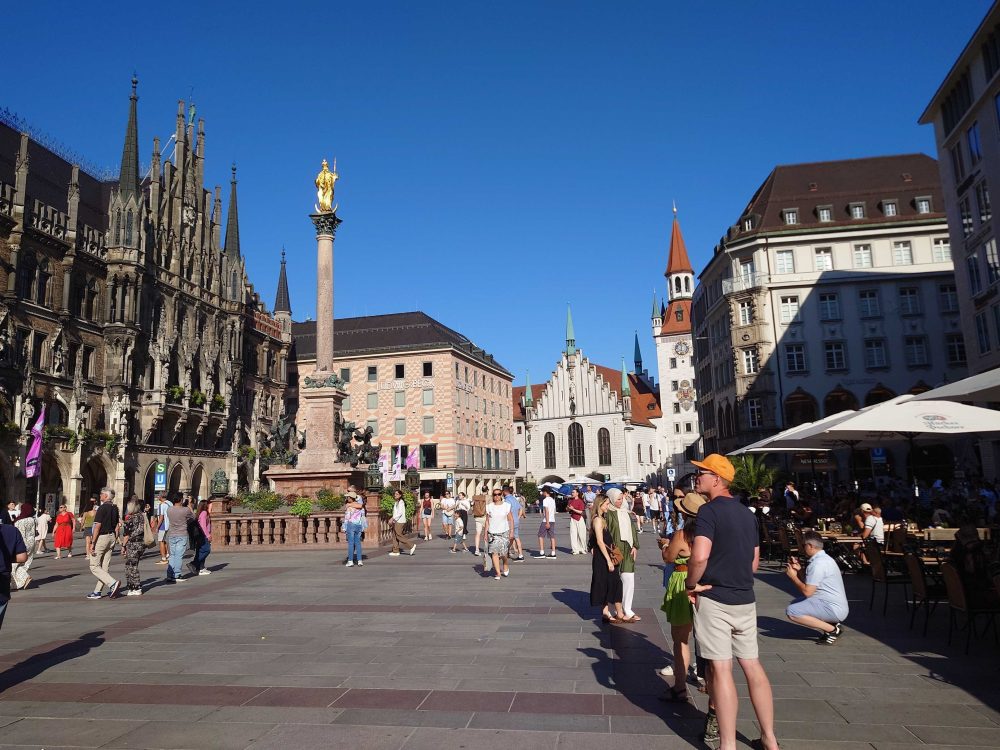
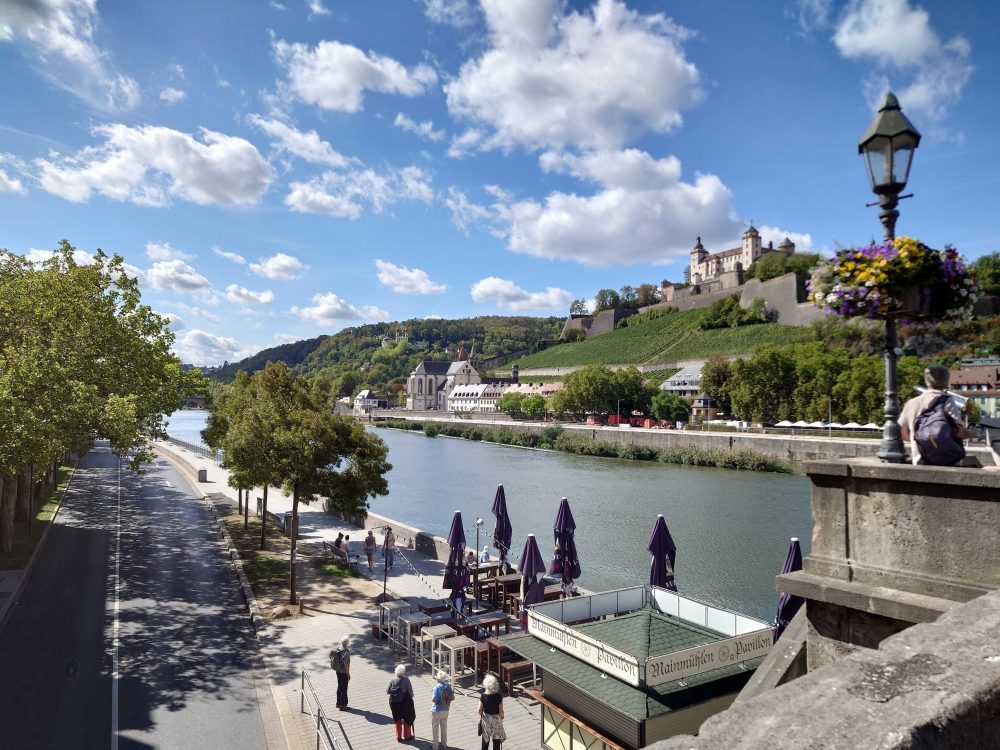
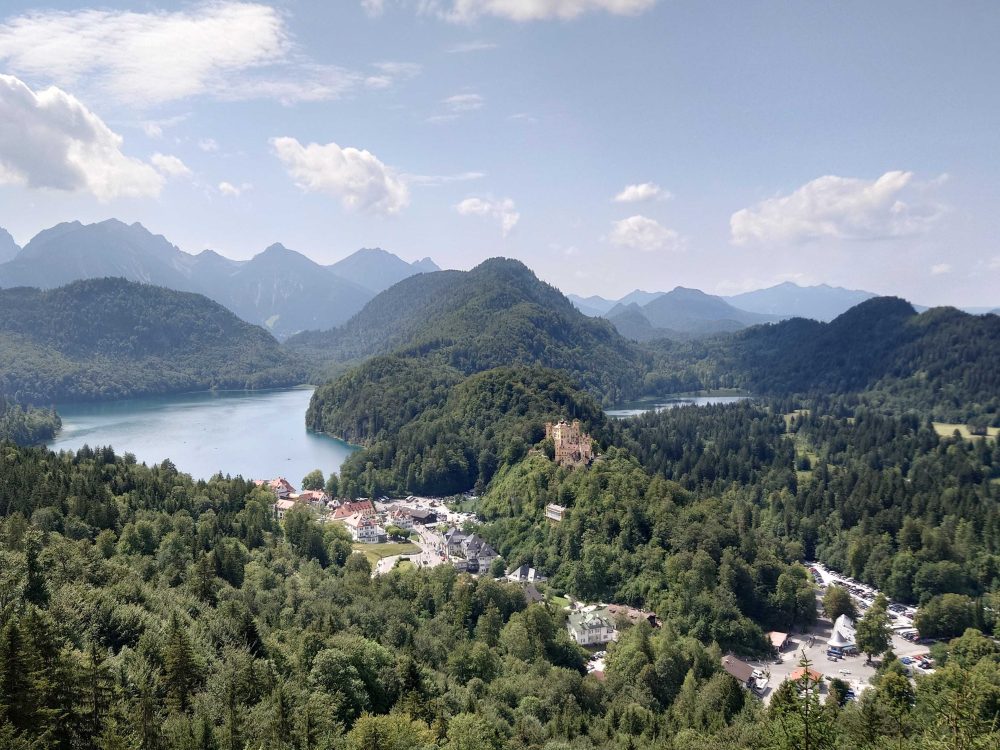
One of the biggest highlights of my stay was meeting and becoming friends with many students and researchers, not only in Prof. Jelezko’s group but also at other universities and research institutes. These connections are something I hope to maintain even after returning to Japan.I also really enjoyed exploring Germany outside the lab. I traveled mainly around southern Germany and visited many cities and historical sites. The three months passed surprisingly quickly, and experiencing both research and everyday life in Germany made the stay unforgettable.
Q6: How has this short-term stay influenced your research or career goals?
Even before this research stay, I was interested in working abroad after completing my PhD. However, spending three months in Germany made this goal much more concrete. By actually working in an international research environment, communicating with researchers from different backgrounds, and experiencing everyday life in another country, I was able to imagine much more clearly what it would be like to pursue my research career abroad.This experience has therefore strengthened my motivation to seek research opportunities outside Japan after completing my PhD. At the same time, I would like to take what I learned from both the German and Japanese research environments and apply it to my future research career.