


During his internship at Kosaka Lab, Thomas Florion, an engineering student specializing in quantum computing from France, had the opportunity to explore experimental quantum physics and experience research in an international environment.
With a background in superconducting qubits, he joined our lab to broaden his research experience, develop new skills, and discover life in Japan. During his stay, he worked alongside researchers with diverse backgrounds and gained new perspectives through discussions and collaboration.
We spoke with Thomas about his research experience, life in Japan, and what he would recommend to other students considering an internship abroad.
Q1: Could you briefly introduce yourself and your research background?I’m Thomas Florion, and I’m in my final year of an engineering degree in computer science, specializing in quantum computing. My research focused on transferring quantum states using superconducting qubits. This involved characterizing the qubits, adjusting the control pulses for quantum gates, and designing the algorithm and the routing of quantum operations.
Q2: How did you first hear about Kosaka Lab, and what made you decide to join us as an intern?I discovered Kosaka Lab while searching for quantum research labs in Japan. I found the research topics interesting and saw that the lab was accepting students, so I contacted them to ask if I could join for an internship.
Q3: What goals did you have for your stay here?I had several goals for my stay here. First, this internship was the final step to complete my engineering degree. I also wanted to learn more about experimental physics, as I had less experience with it during my studies. Finally, I wanted to start learning Japanese while living in Japan. I’m happy to say that I achieved all these goals, and I’m continuing to learn Japanese now that I’m back in France.
Q4: Was there anything new you learned or a research skill you developed during your stay?I learned how to organise my research, keep clear notes on my work, and collaborate with people from different countries. One of the most important skills I developed was data analysis. I had to understand what the data meant from a physics point of view so that I could draw conclusions from my results.
Q5: How was your experience working with the members of our lab?It was a great experience. Everyone has their own research topic and area of expertise, so it was always interesting to talk with the other lab members. They all had useful ideas and insights to share, and I learned a lot from these discussions.
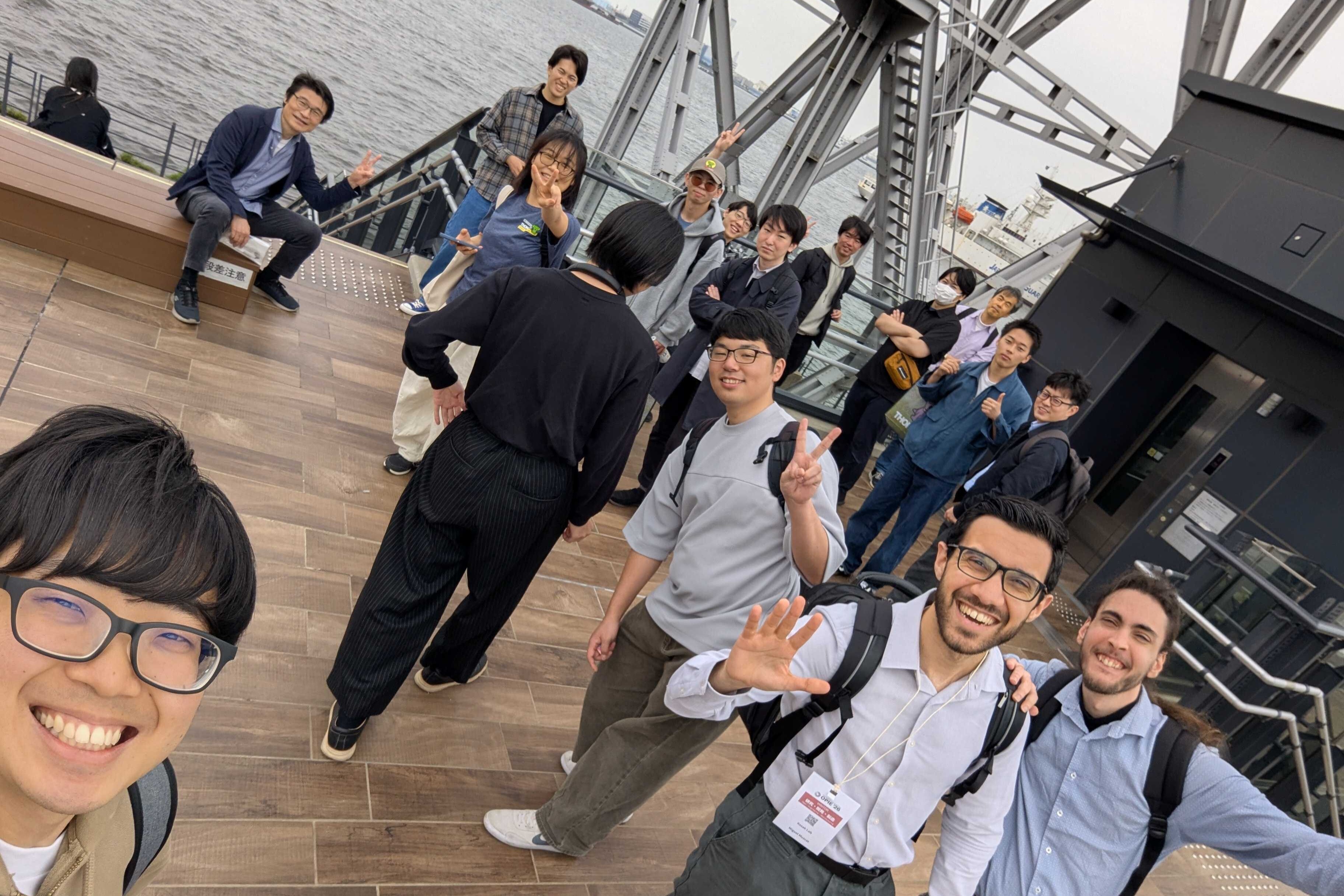
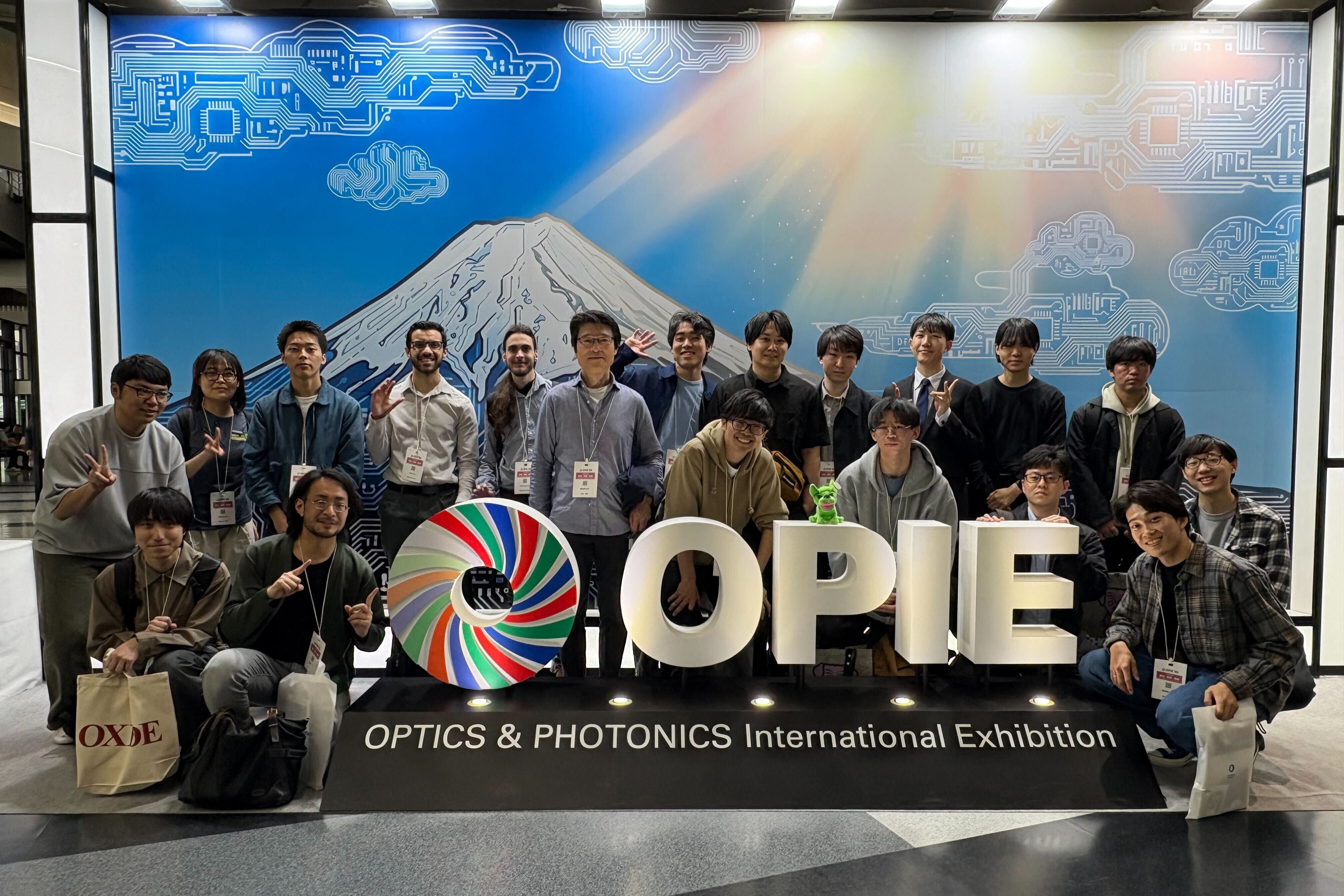
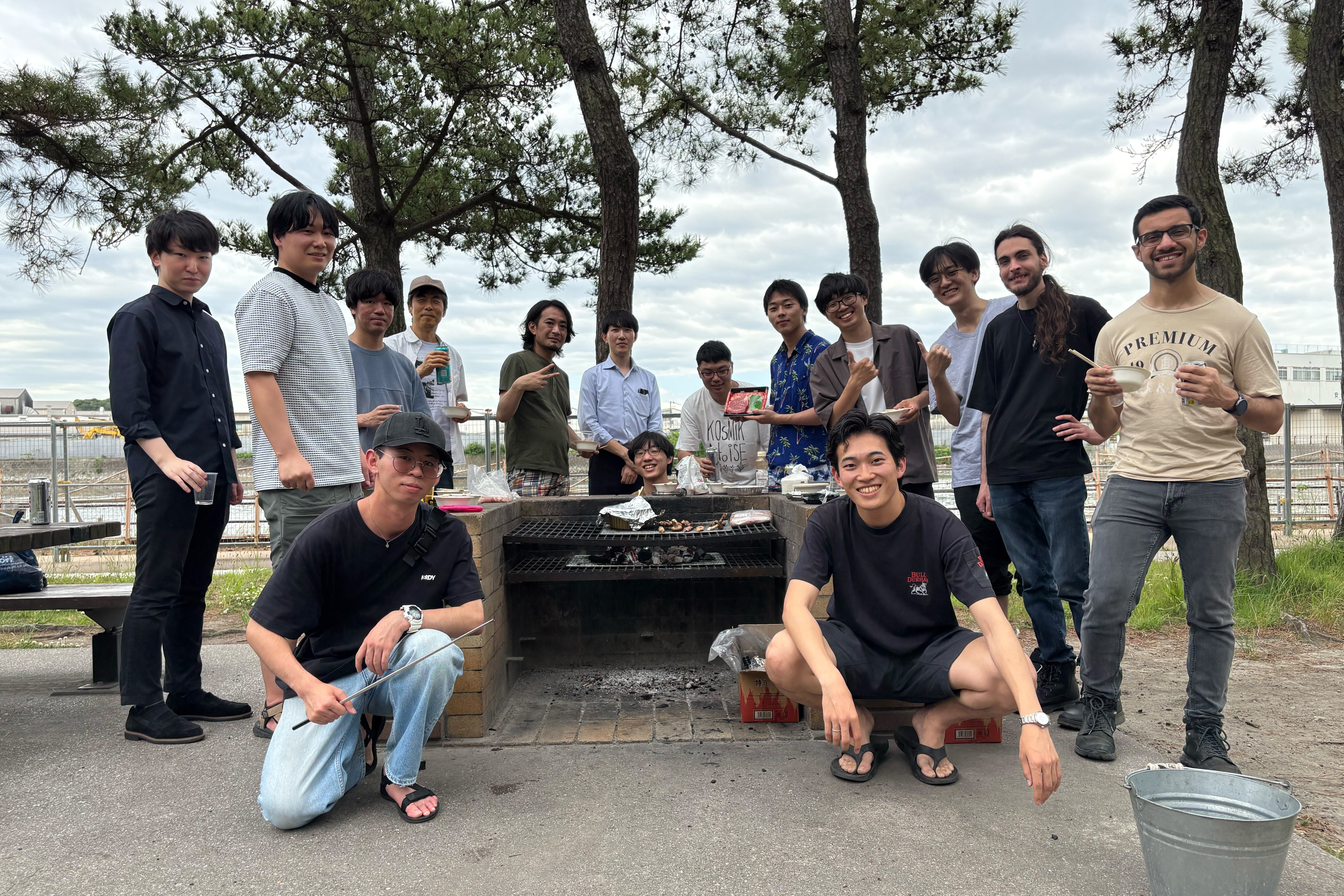
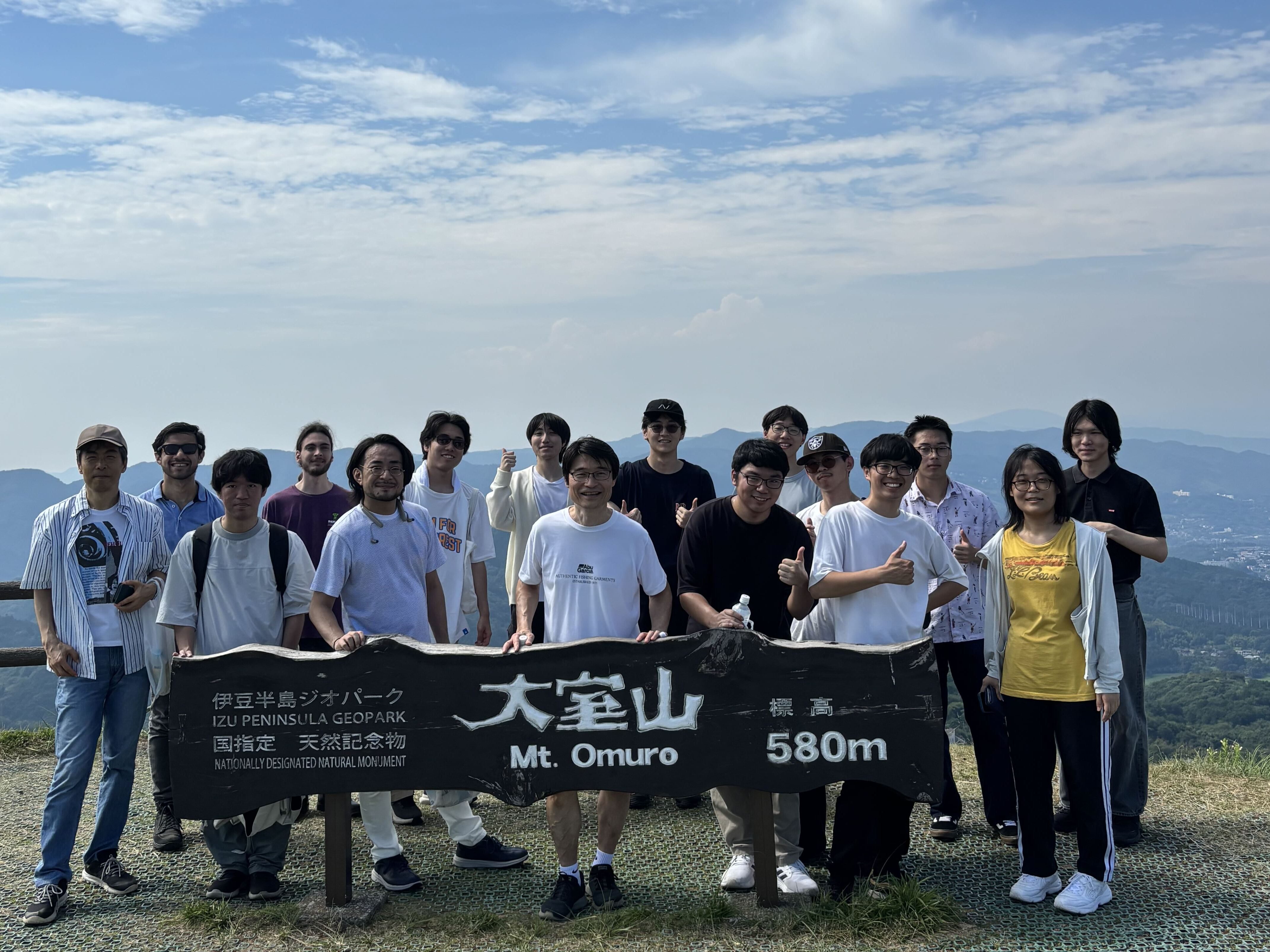
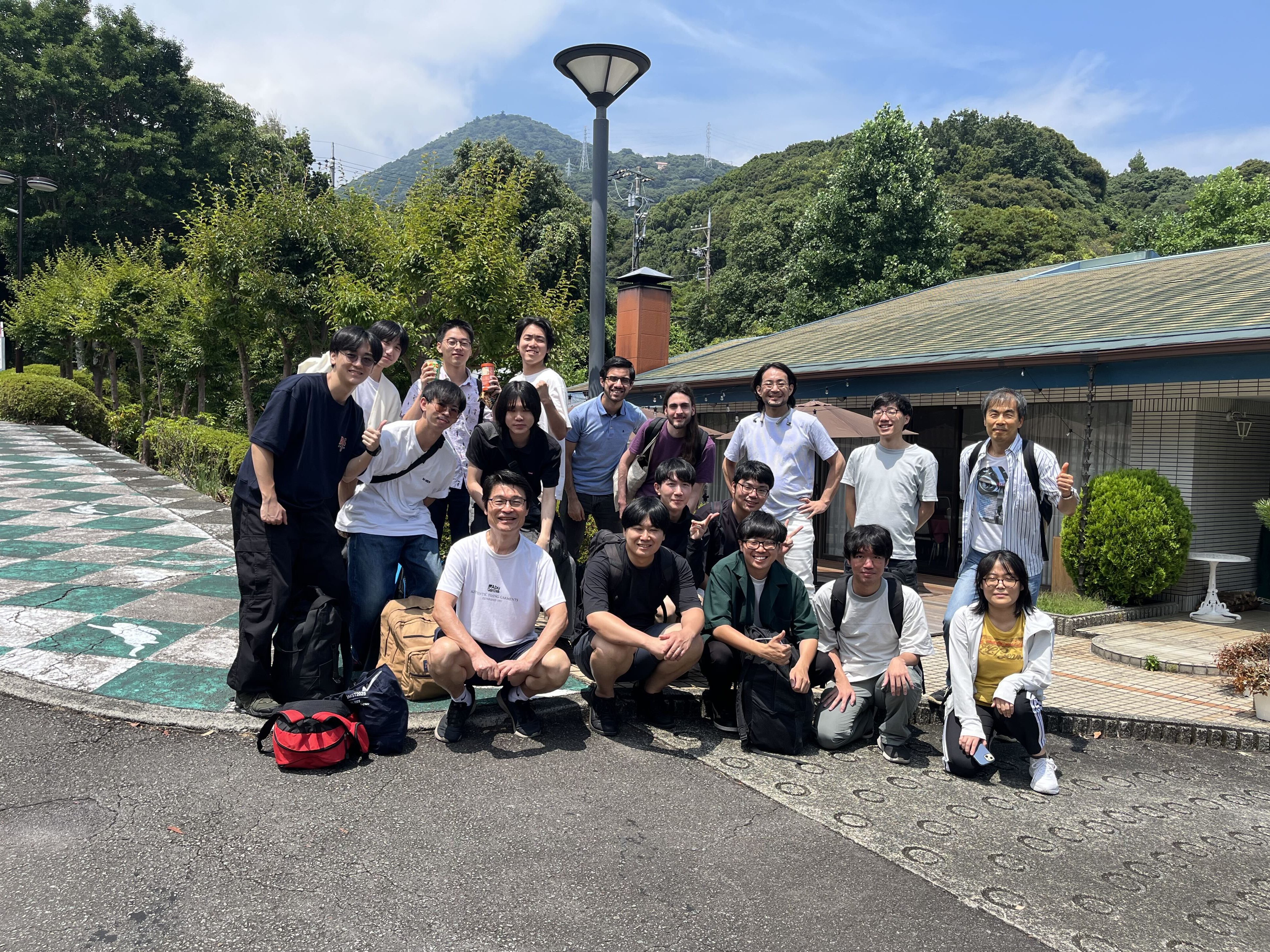
Q6: What was different or unique about the research environment at Kosaka Lab compared with what you were used to?Everyone talks to each other and shares knowledge about their own field, which makes it a great environment to learn and grow. Compared to my school, where most students have a similar background, the lab brings together people with different specialties and research topics. This makes discussions very interesting and gives me the opportunity to learn about many different subjects.
Q7: Did you have a favorite place, food, or experience outside the lab?My favorite experience was exploring Tokyo and discovering shops, places, and everyday customs that are different from those in France.
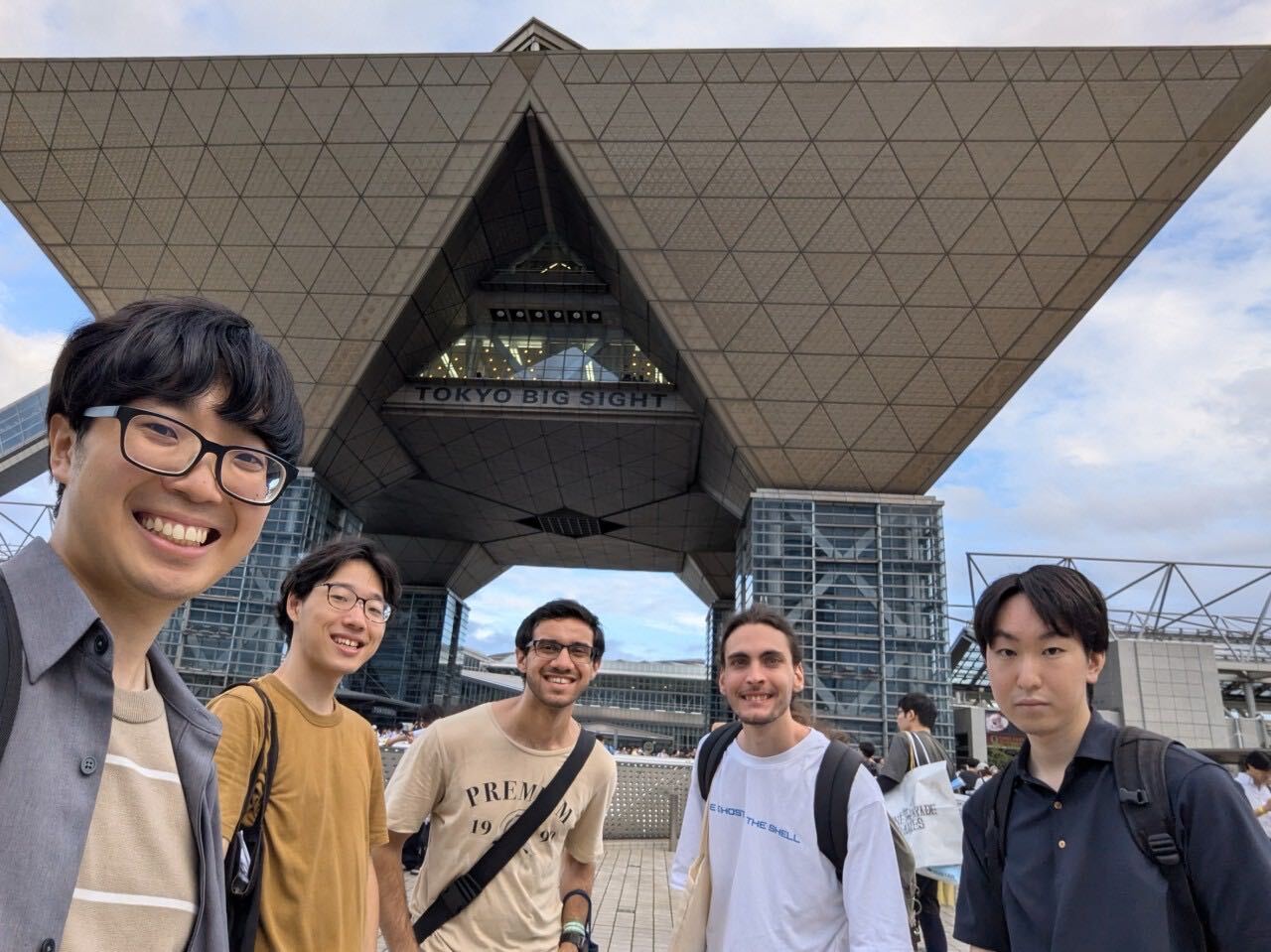
Q8: Do you have any advice for students who are considering an internship or research experience abroad?I would definitely recommend it. Studying abroad is a very valuable experience because you get to discover a different culture, meet new people, and learn new ways of thinking. It’s also a great opportunity to grow both personally and professionally.