


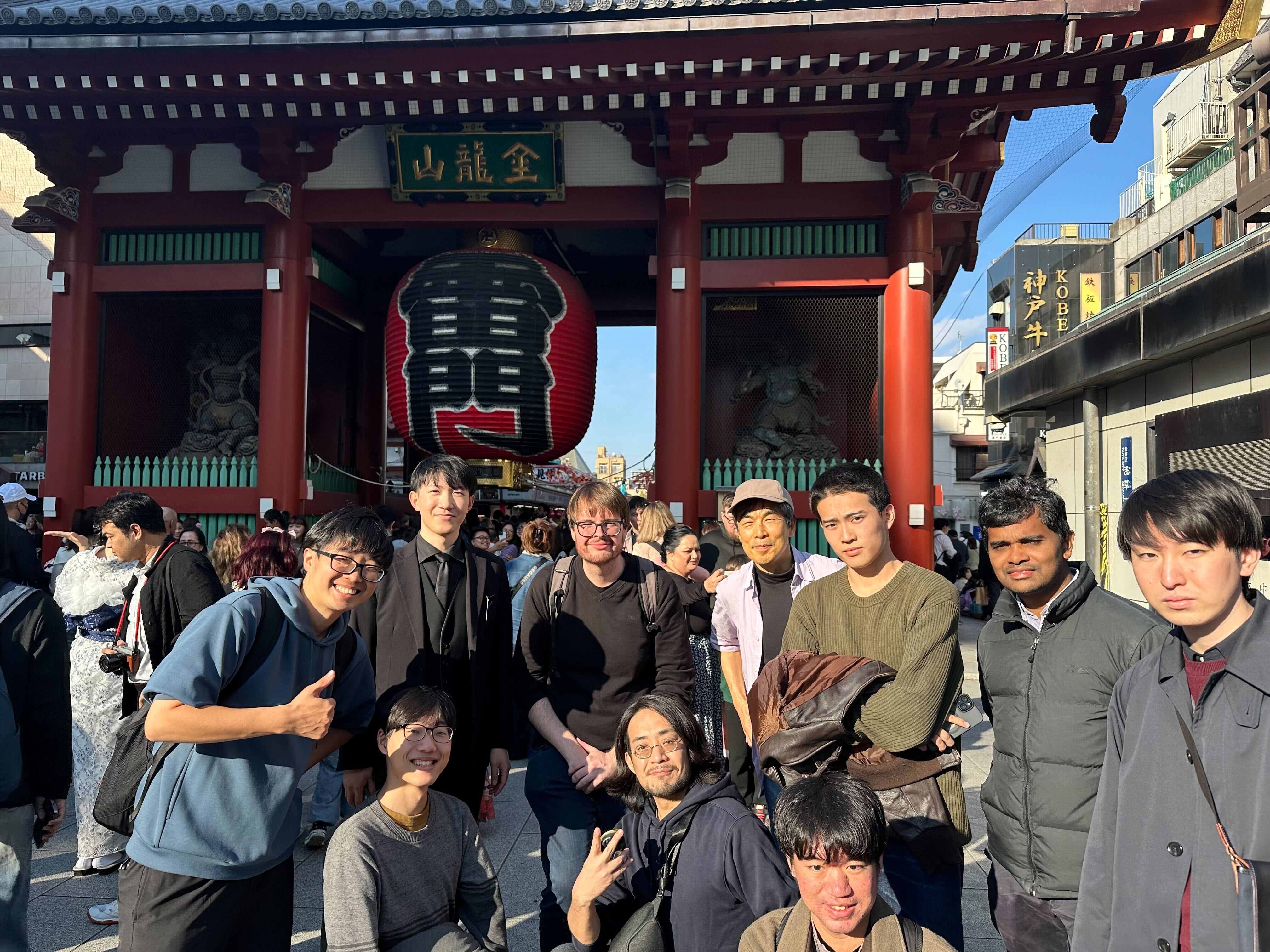
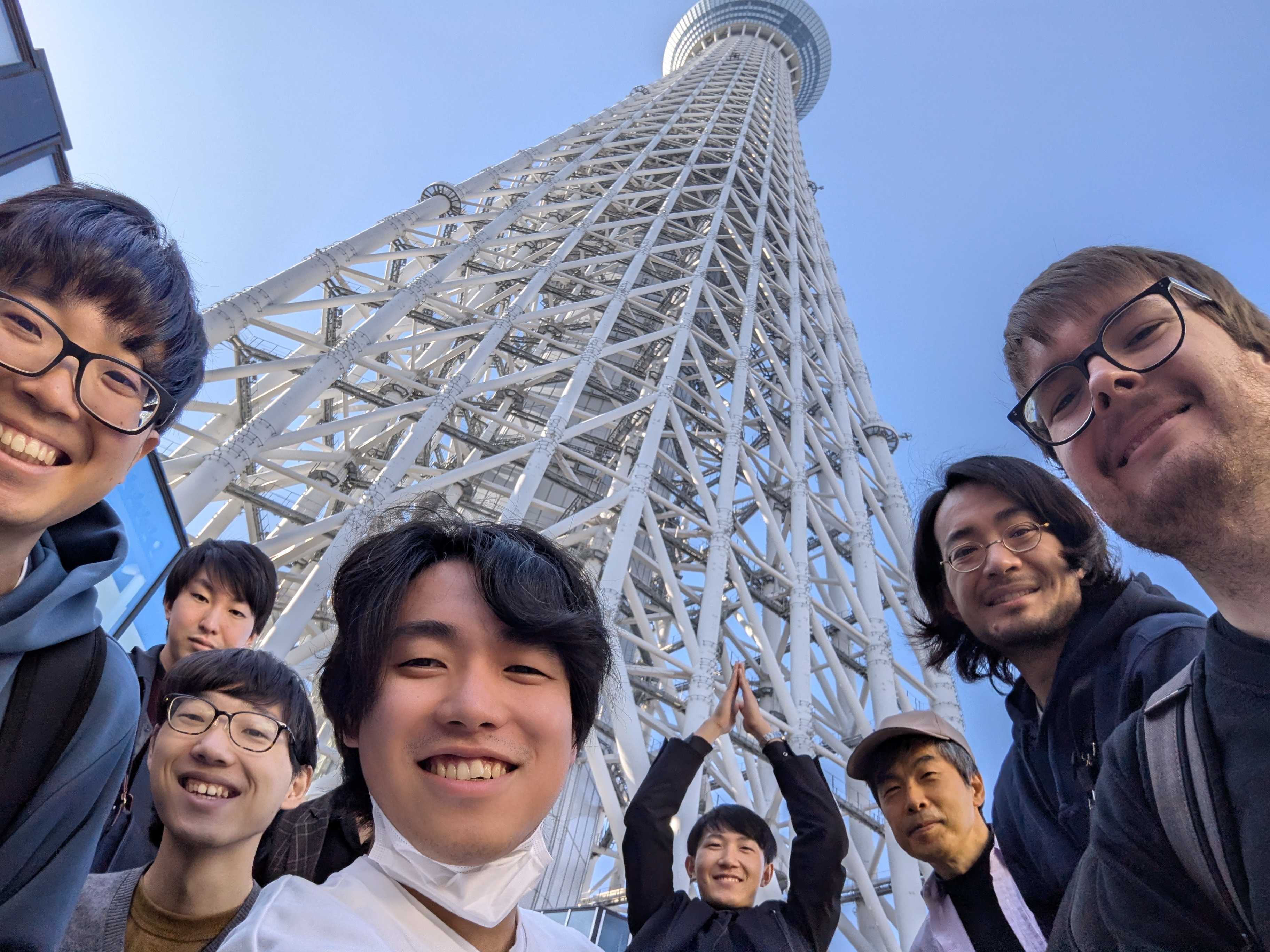
This November, we welcomed David, a student from the Quantum Optics Group led by Prof. Dr. Christoph Becher at Saarland University. His visit is part of the ASPIRE project “DIAMONDQTECH.”
During his three-week stay, he joined our research on diamond-based quantum technology while experiencing life and research in Japan.
We spoke with him about his impressions, and what he gained from his time in the lab.
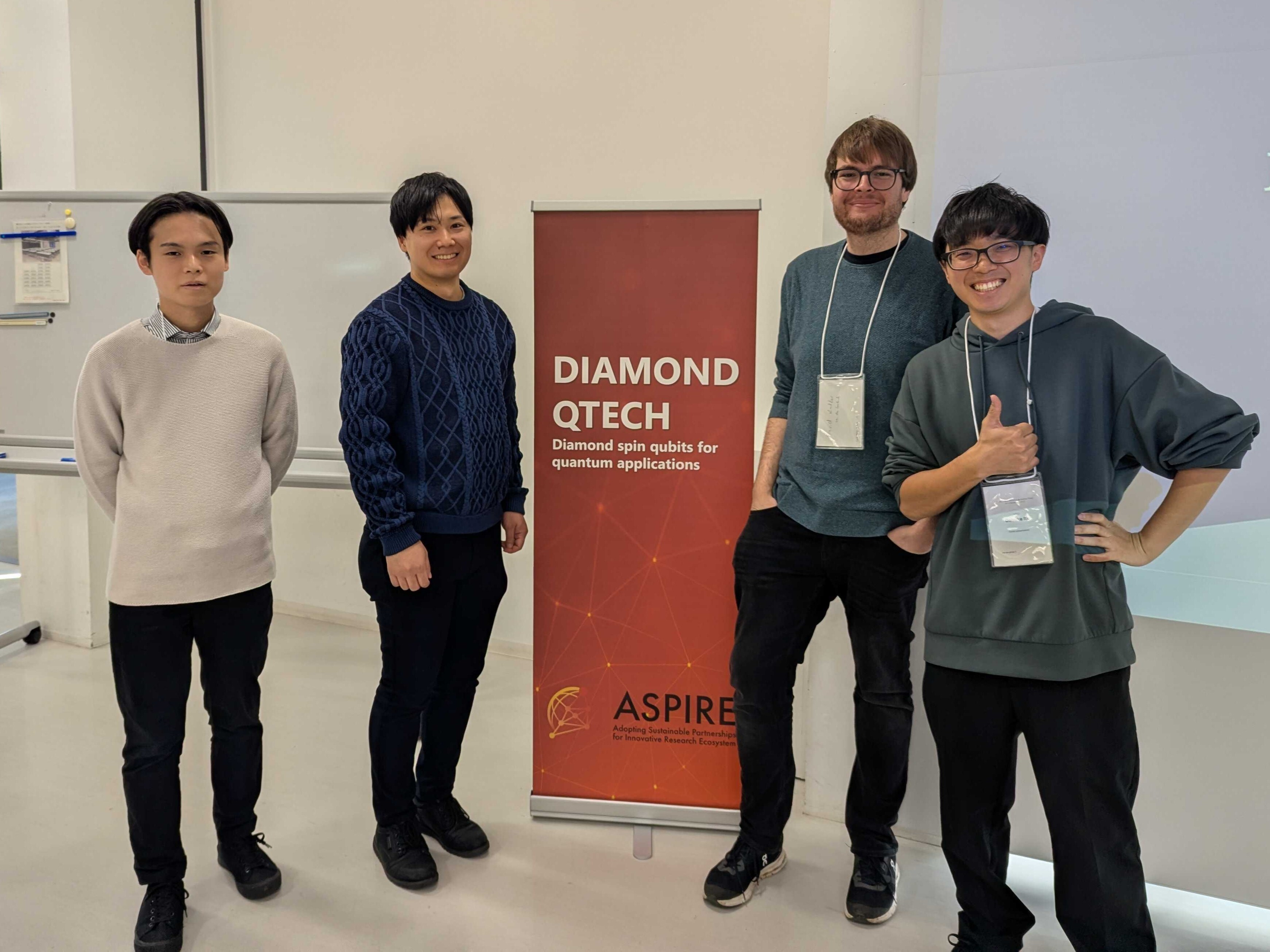
Interview with David
Q1: Could you briefly introduce yourself and your research background?
My name is David Lindler, and I am currently in the third year of my PhD in the experimental physics group of Christoph Becher in Saarbrücken. The main focus of my research is nonlinear optics for use in quantum communication networks, particularly quantum frequency conversion. This includes designing, building, and aligning optical setups; planning and conducting experiments with single photons transmitted over deployed fibers in Saarbrücken; and analyzing the collected data as well as developing appropriate theoretical models to describe the experimental outcomes.
Q2: What goals did you have for your stay here?
Since my stay in Japan was relatively short, my main goals were to exchange ideas, discuss the different research directions we are pursuing, and learn about the various approaches to similar challenges. I also wanted to use this opportunity to build connections and strengthen collaboration for future projects.
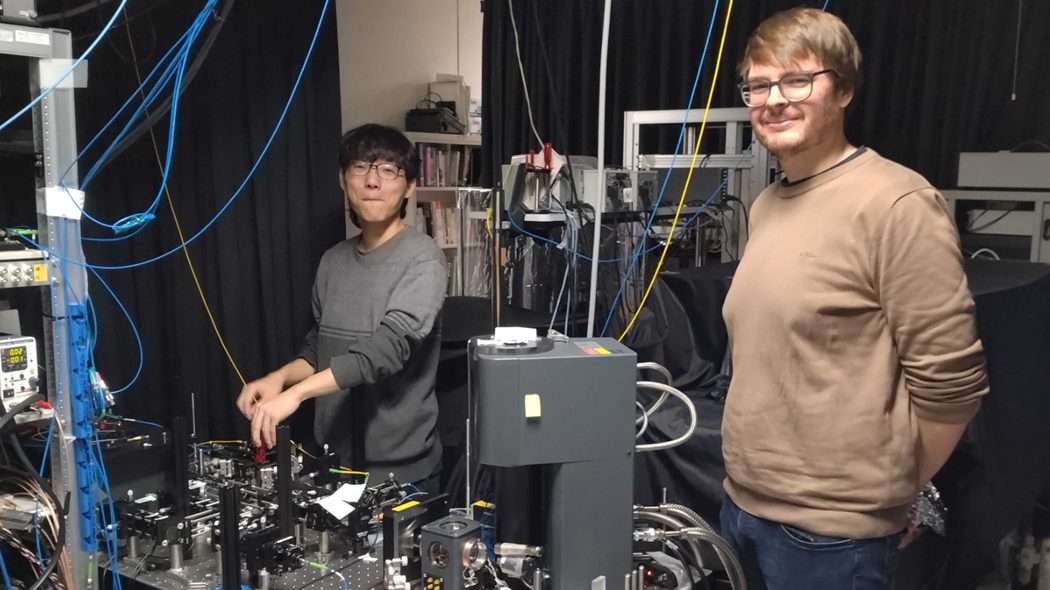
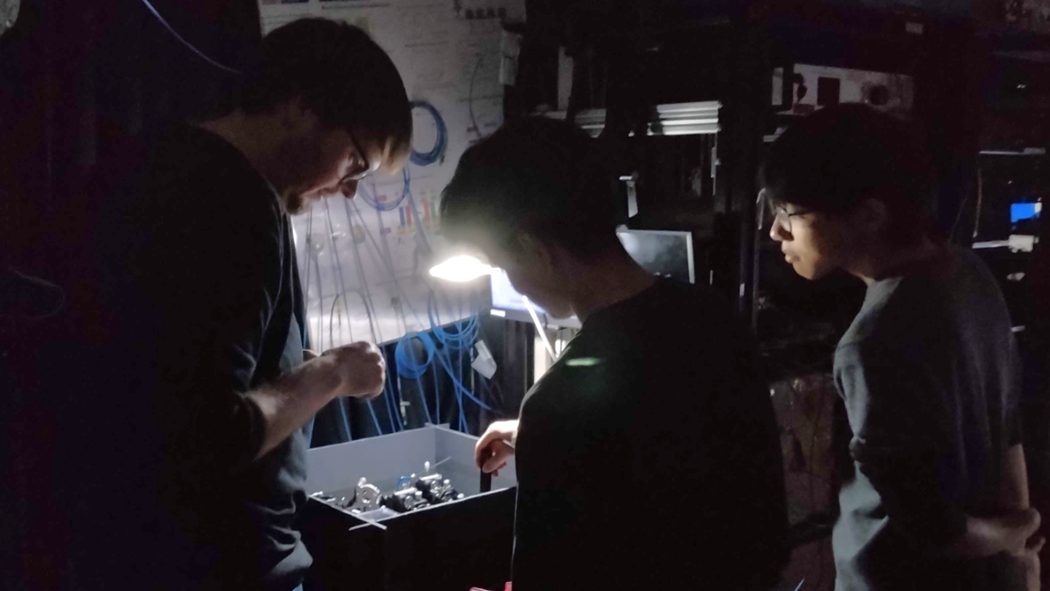
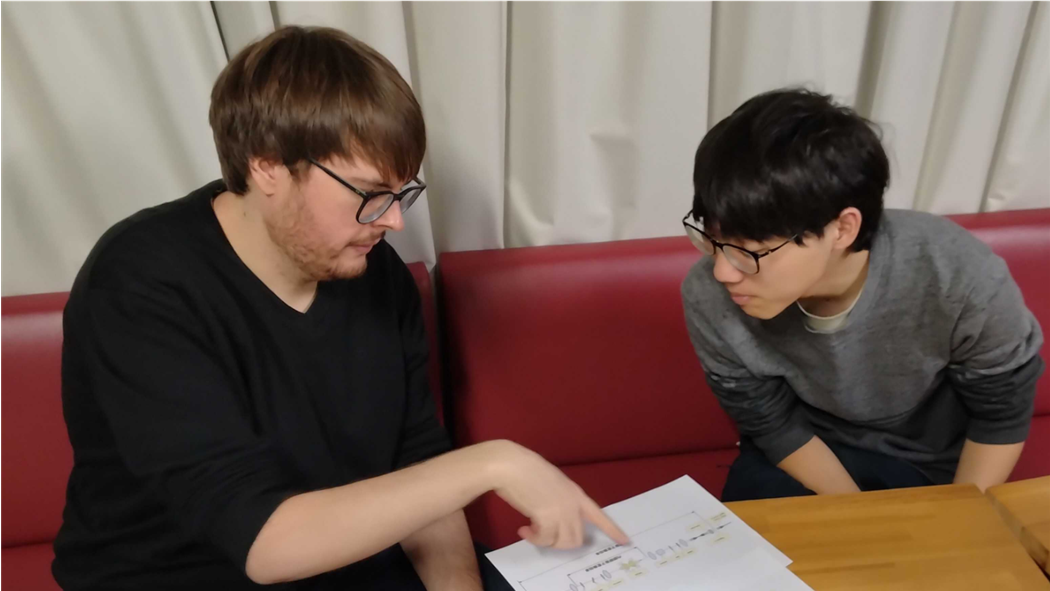
Q3: Was there anything that surprised you or differed from how research is done in Germany?
I was very surprised how much of the research here is done by the bachelor and master students, in Germany most of the research work is done by PhD Students. I think it is great to give the student the opportunity to contribute to exciting research and learn how to work as a researcher. Theres also a lot more research equipment per person than is usual in Germany.
Q4: How was your experience working with Japanese students and researchers?
Everyone was very welcoming and helpful, and everyone was happy to talk with me about all sorts of topics. I felt comfortable asking questions or discussing ideas. I was impressed by the high level of organization the students showed in their research and by the close collaboration within the group. Overall, the atmosphere made it easy to learn from one another and stay motivated.
Q5: Did you have a favorite place, food, or experience outside the lab?
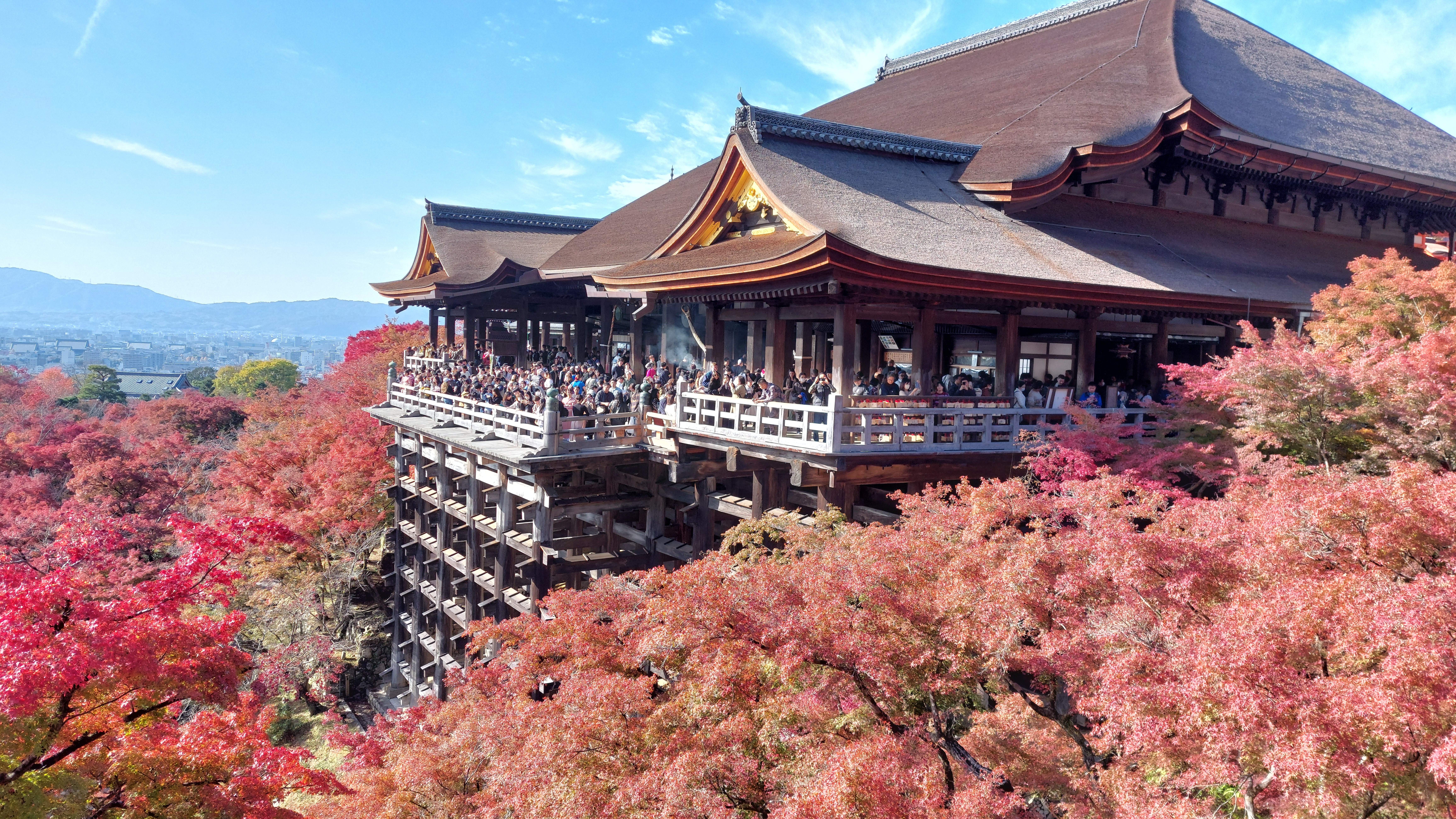
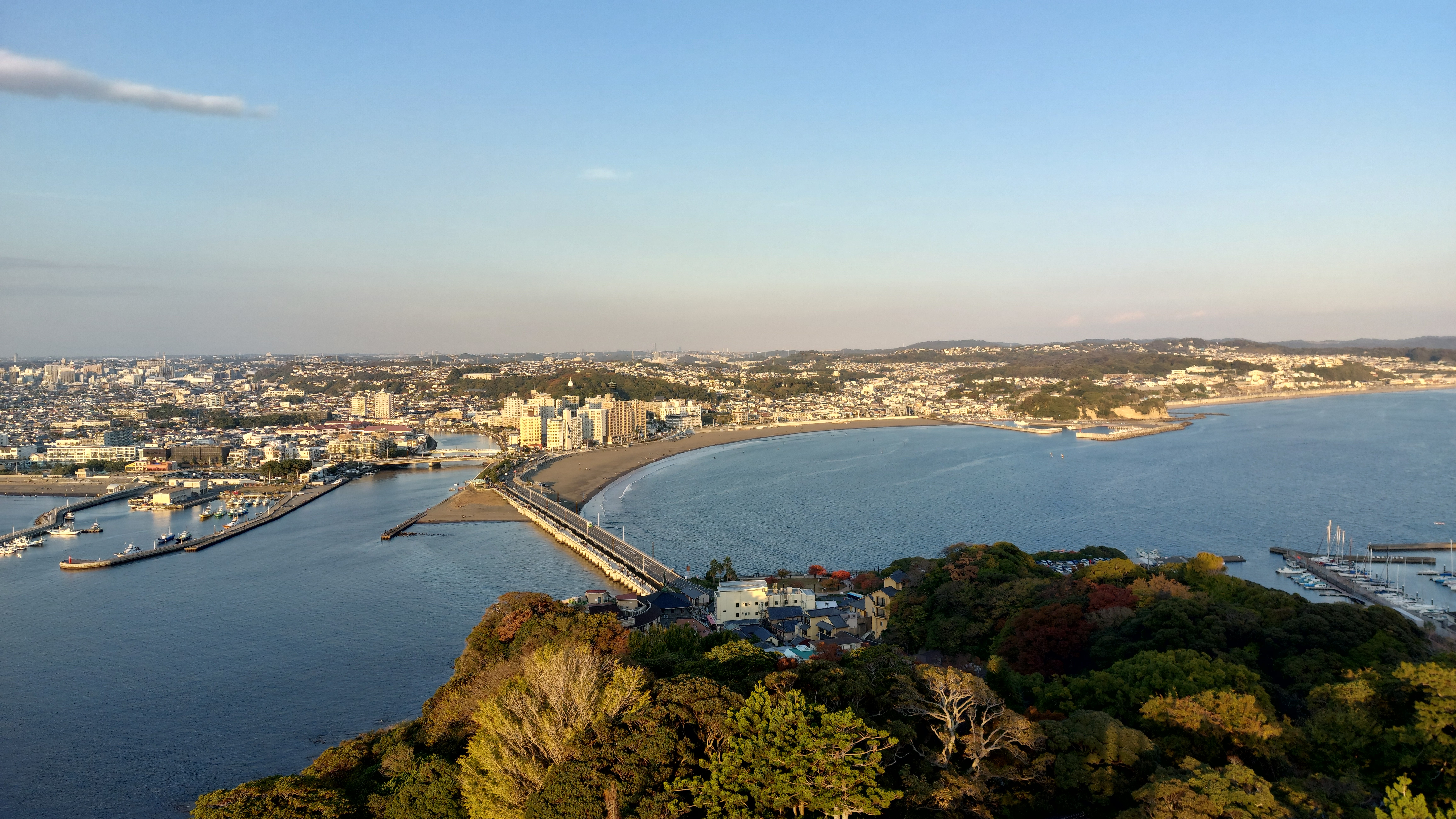
I visited Kyoto during one of the weekends, and although it was very crowded, I still enjoyed the experience of visiting the various historical temples and shrines. The autumn leaves around Kiyomizu-dera Temple were especially beautiful. Another highlight I have to mention was Enoshima Island, with its charming climbing streets and fantastic ocean views.
Q6: Do you have a message for future Aspire participants or students?
I would like to encourage anyone who has the chance to participate in the exchange program to take the opportunity. Experiencing a different culture and research environment truly broadens your own perspective and helps you re-examine aspects of your own work and life that you may have considered self-evident. It’s for sure a valuable opportunity for both personal and academic growth and also just lots of fun.
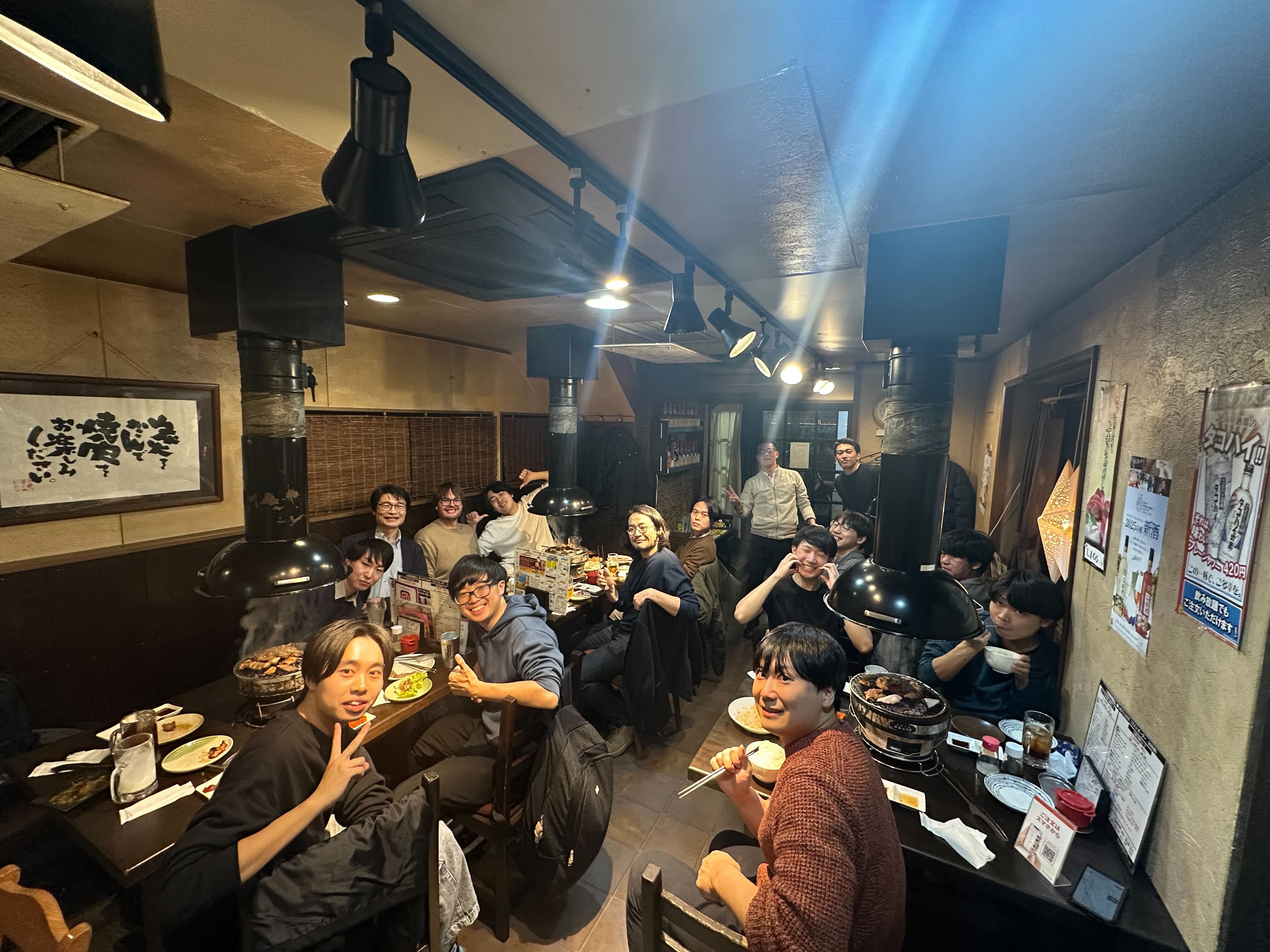
The ASPIRE project “DIAMONDQTECH” is part of a Japan–Germany initiative that brings together researchers to explore and advance quantum technologies while building lasting international connections.
We hope David’s stay at our lab has given him new perspectives for his future career and will inspire others to exchange ideas across countries through projects like ASPIRE.
We would like to thank the ASPIRE program, JST, and DFG for making such exchanges possible, and we will continue to promote active collaboration between our students and partner institutions.